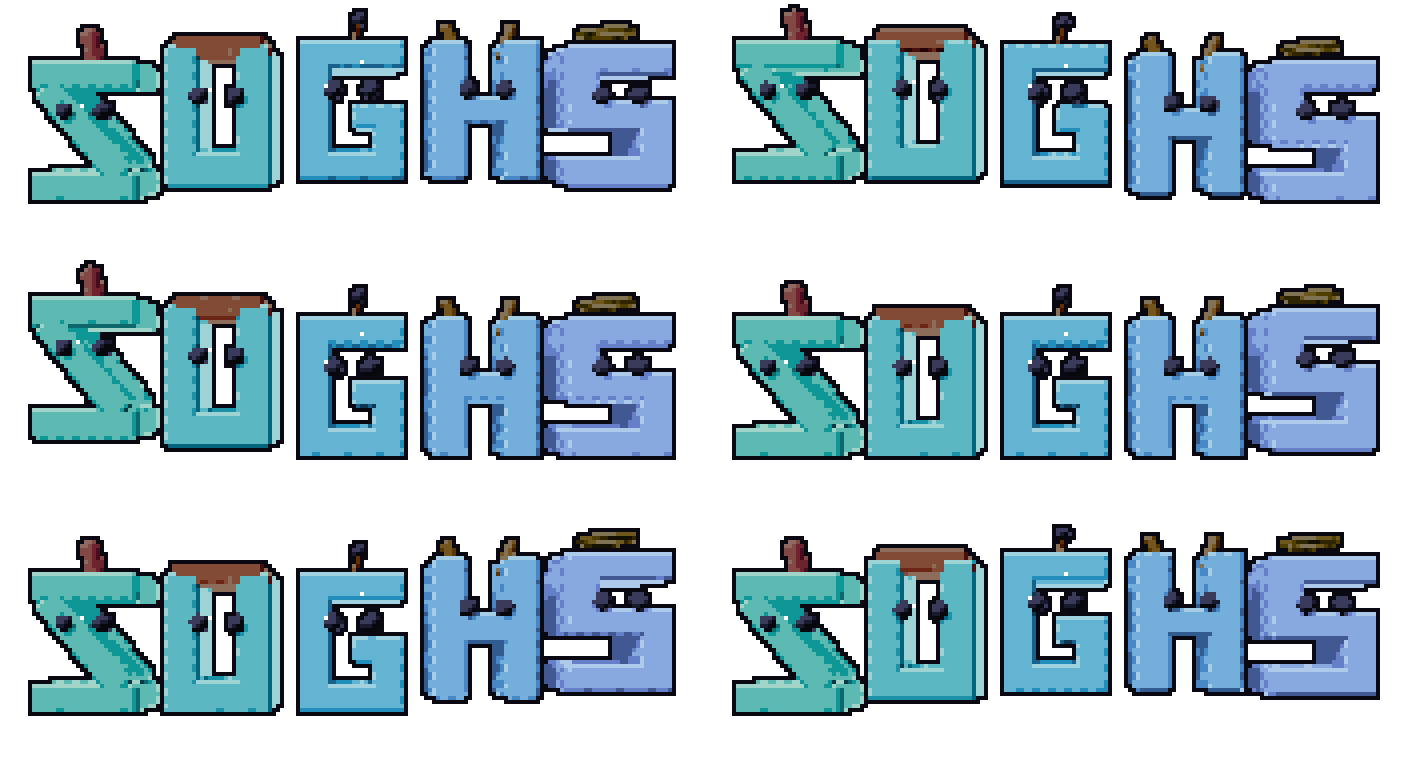
Two thousand two hundred and twenty two creatures, each one walking through a world of its own. Every frame is rendered in three dimensions and then quantised into pixels, one at a time.
- 128 x 128 native pixels, 32 frames, a closed loop
- 100 variants in every trait, rolled from independent streams
- Zcash ZRC-721, ownership follows the transparent output
MINT
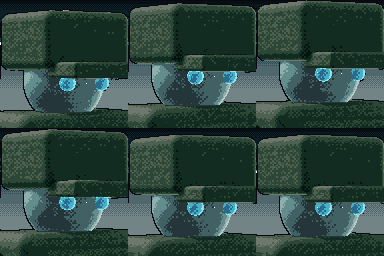
Shielded addresses cannot hold inscriptions. The token lands on the transparent output you name here.
GALLERY
MARKET
Listings are read from the chain. Nothing is held by this site: a listing is an intent published by the owner, and a sale settles when the buyer pays the seller directly.
THE ARTIST
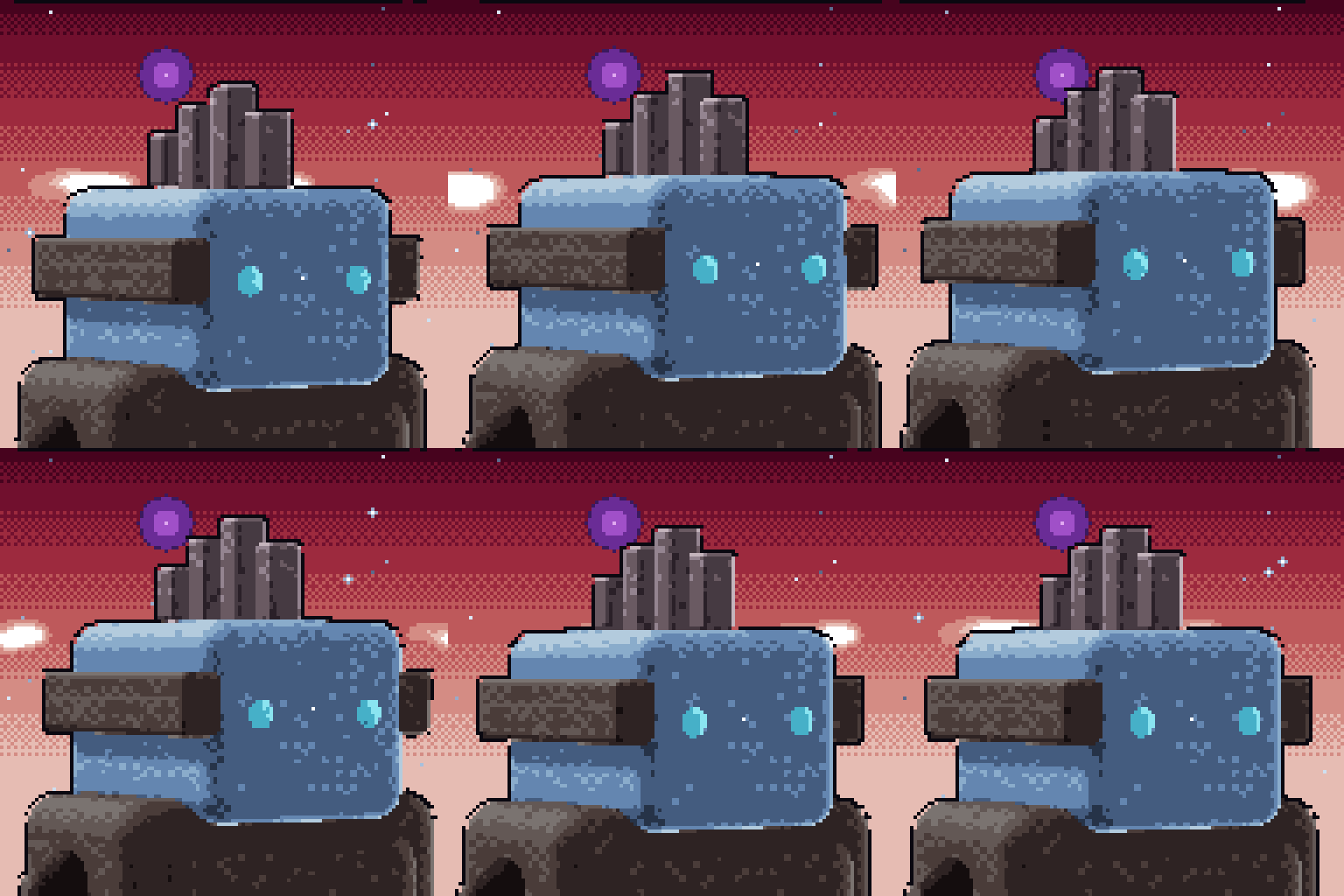
Every creature here was written, rendered and quantised by hand in code, not assembled from parts in an editor. The artist keeps one of his own, number 9006, outside the supply of 2222: a slab head under a band, goggles, a crest, walking through a dusk world.
timso, working in the open. The renderer, the trait tables and the indexer are the same code that produced what you see on this page.
ACTIVITY
reading the chain…
HOW IT WORKS
- Art lives on IPFS. Each token is a 128 pixel animation pinned by its content hash.
- The chain holds the envelope. A short JSON in an OP_RETURN says which collection and which id. Ownership is the transparent output that carries it.
- No contract, no custodian. Anyone running the same indexer over the same chain arrives at the same owner set.
- The art is committed before the sale. A hash of the generator and the trait table is published on provenance, so nobody can change a token after seeing what it sold for.
- Royalties are an agreement, not a lock. Zcash has no smart contracts, so a royalty cannot be forced. Sales that pay it are marked as such, sales that skip it are marked too.